AI-Powered Photo Supply Forecasting Reduces Downtime by 70%
Overview
Historically, Walgreens store associates managed photo supplies (paper, ink, etc.) reactively. Orders were placed only when stock ran out, leading to frequent "out-of-stock" cancellations and customer frustration.
The Mission: Transition from a manual, "run-to-fail" ordering model to a proactive, AI-driven workflow that forecasts demand 30 days in advance.
My Role: UX Design Manager (Directing 1 Product Designer, 1 Copywriter).
Key Partners: Product Manager, Lead AI Engineer, Data Scientists, Supply Chain Manager, Store Ops.
Timeline: 4 weeks (Two 2-week sprints).
Impact & Results: 70% reduction in downtime caused by cancelled or delayed orders
Discovery & Research
Given the two-sprint deadline, I facilitated rapid discovery workshops and led my team in on-site field research at local stores. We spent time with the associates who used the legacy system to understand the friction points of their daily environment. We quickly realized that while we initially envisioned a linear digital checklist, the physical reality of a stockroom is non-linear. Associates move through aisles based on physical proximity, meaning a rigid digital list would actually decrease their efficiency. We also identified a "Trust Gap" where users were hesitant to rely on AI numbers unless they felt they had the ultimate authority to override the system based on local events or seasonal spikes.
Design Strategy & Challenges
My primary role as manager was navigating the high-level trade-offs between technical AI capabilities and human-centered retail realities. We wrestled with the concept of "explainability"—deciding exactly how much of the forecasting logic to surface in the UI. We ultimately decided to prioritize a clean interface that provided "just-in-time" data only when a user questioned a specific quantity. This led to a strategic pivot toward a barcode-first workflow. Instead of following a screen, associates could move through the stockroom naturally, scanning items to instantly pull up the AI forecast. We also made the executive decision to move heavy onboarding into separate training materials, keeping the app optimized for high-speed, expert use by senior associates.
The Solution
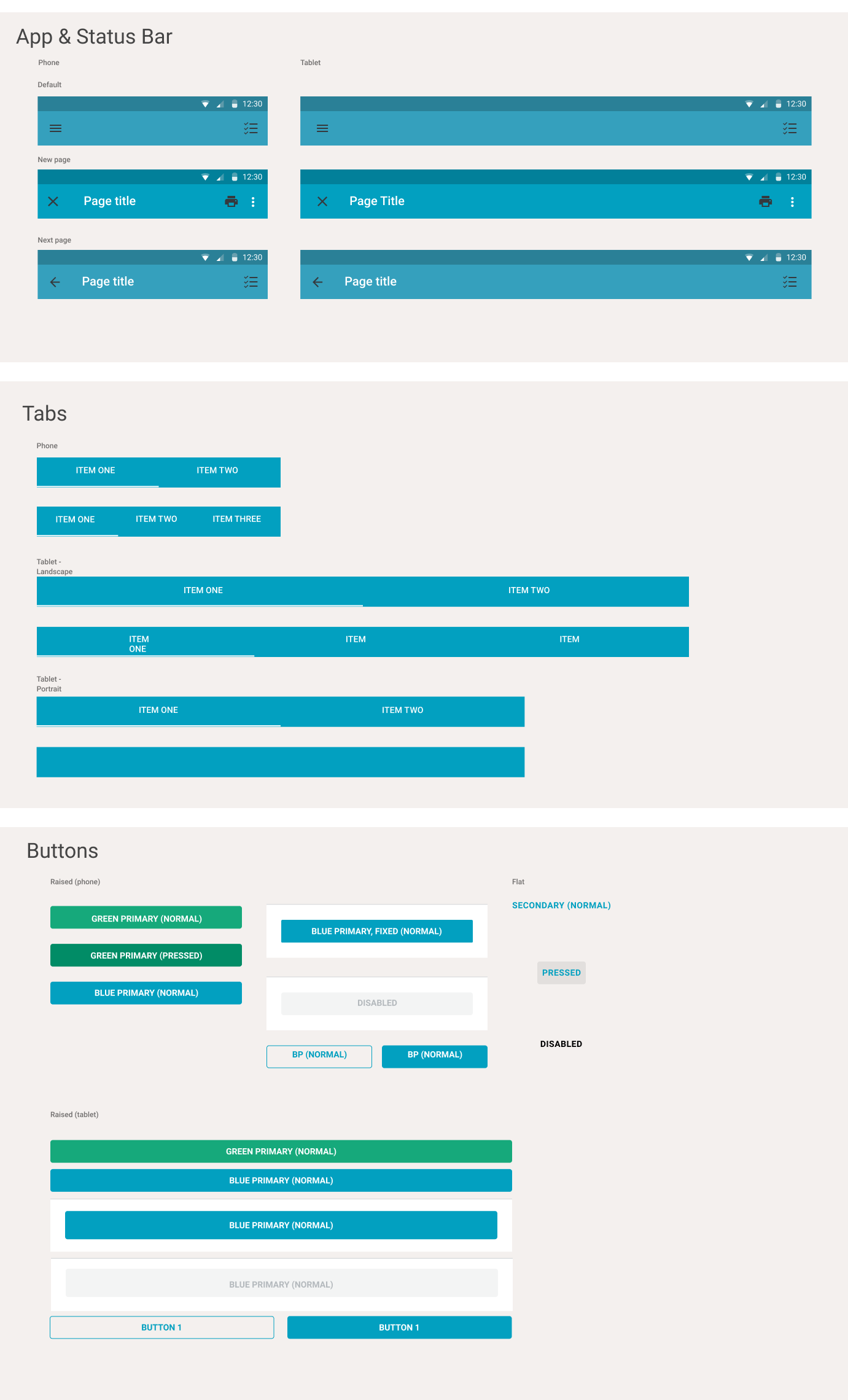
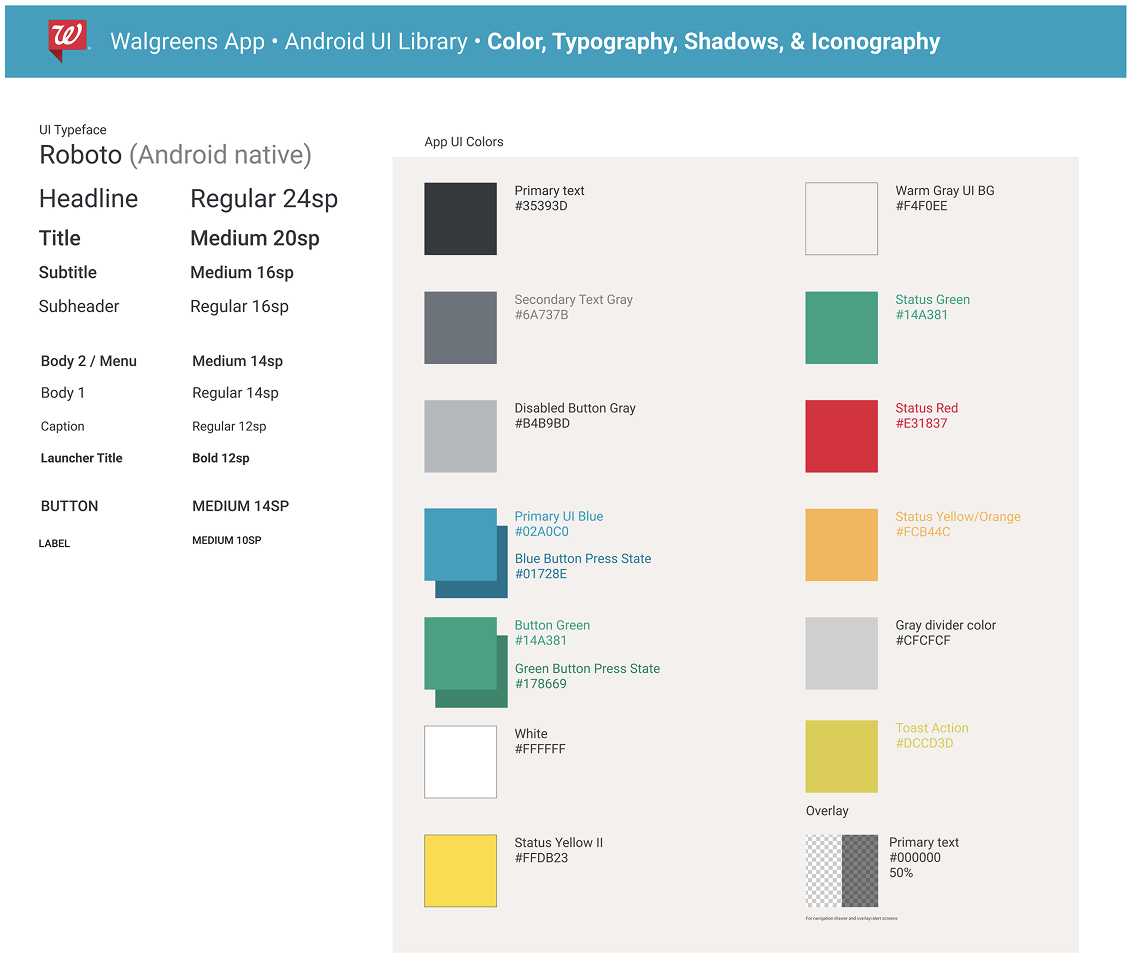
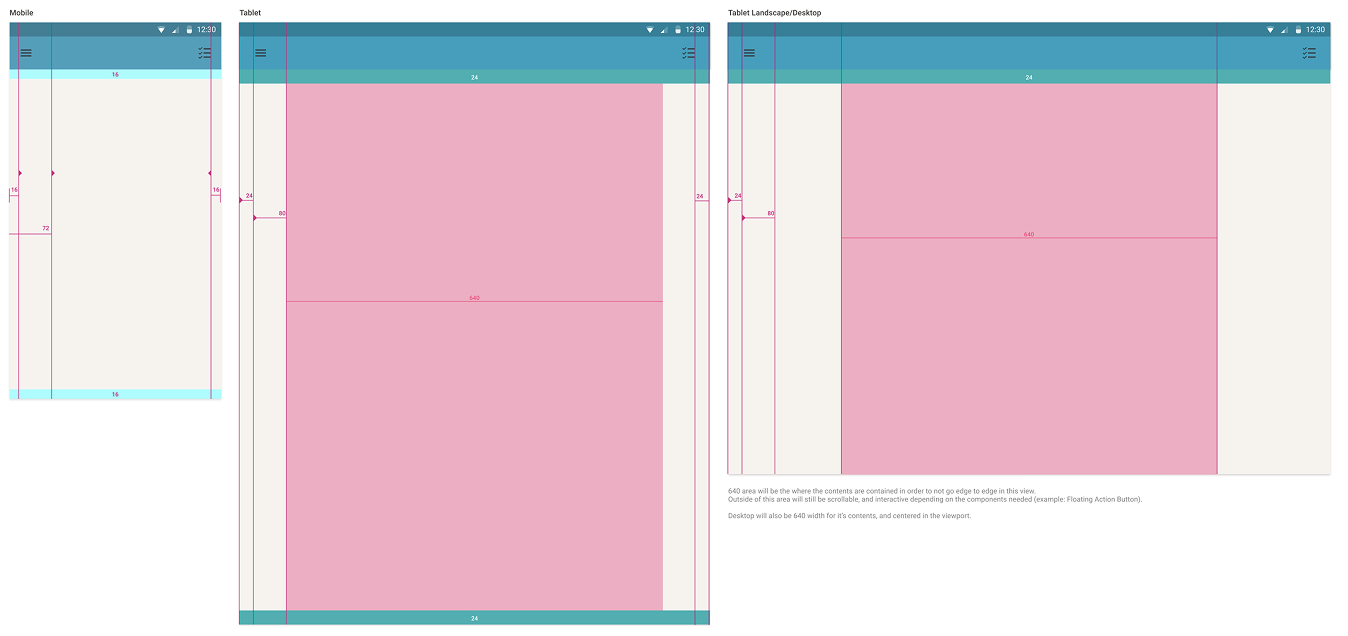
We extended the existing myInventory design system to include new predictive components, such as a monthly forecast dashboard and a smart bulk-submission tool. The final design allowed for a "flexible-trust" model where the AI provides the baseline, but the associate retains the power to adjust quantities before submission. By collaborating directly with machine learning scientists, we ensured the UI reflected the most accurate data cadence while the engineering team received detailed specifications in Figma that accounted for every edge case in the ordering logic.
Impact & Results
The implementation of the AI-powered workflow fundamentally stabilized the photo supply chain. The project achieved a 70% reduction in downtime caused by cancelled or delayed customer orders. By shifting the culture from reactive panic-ordering to a proactive monthly plan, we not only improved the bottom line but also enhanced the daily work-life of store associates. The project proved that AI is most effective when it gets out of the way of the user, serving as a support tool rather than a rigid controller.
Sample Design Deliverables
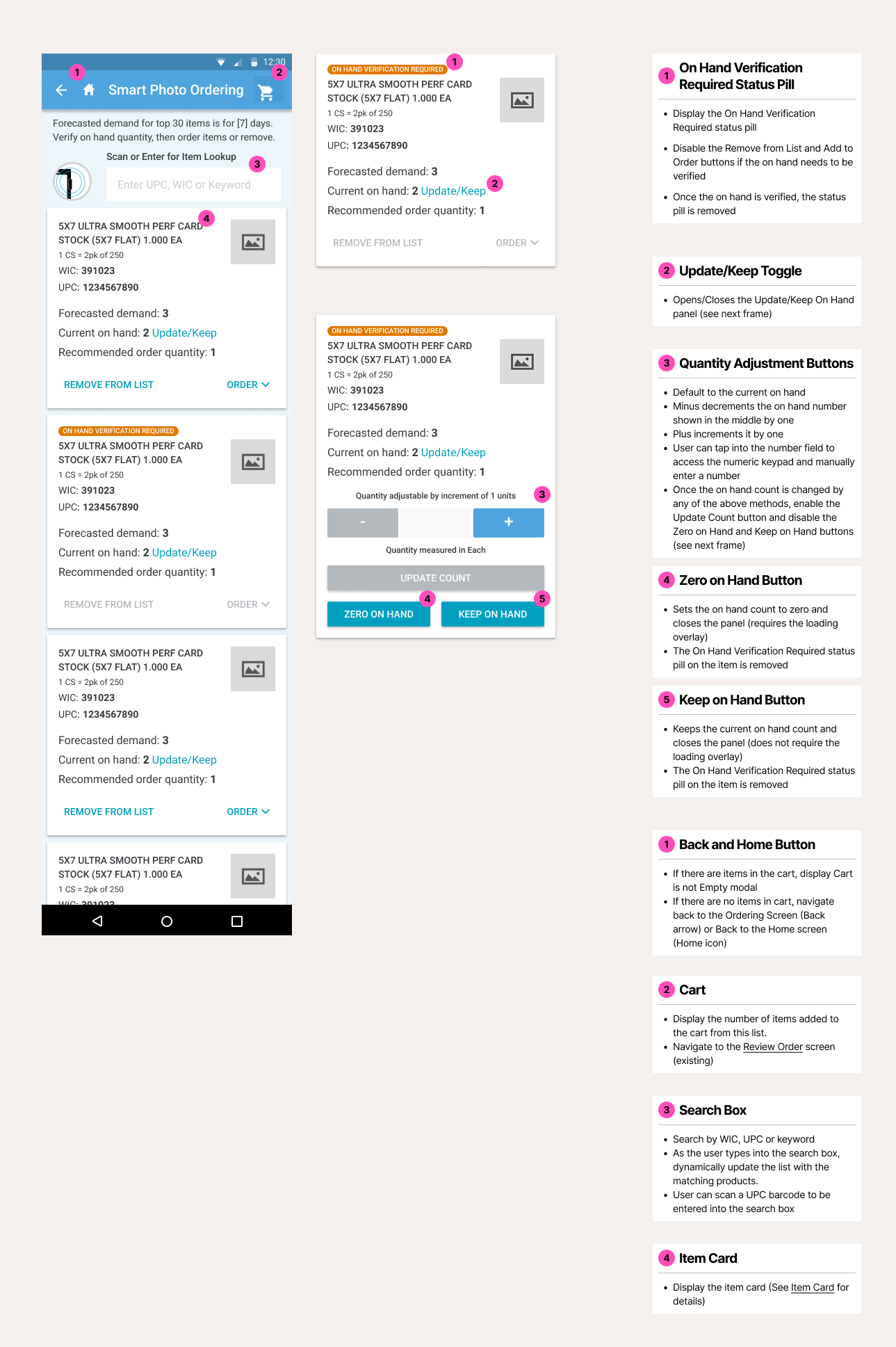
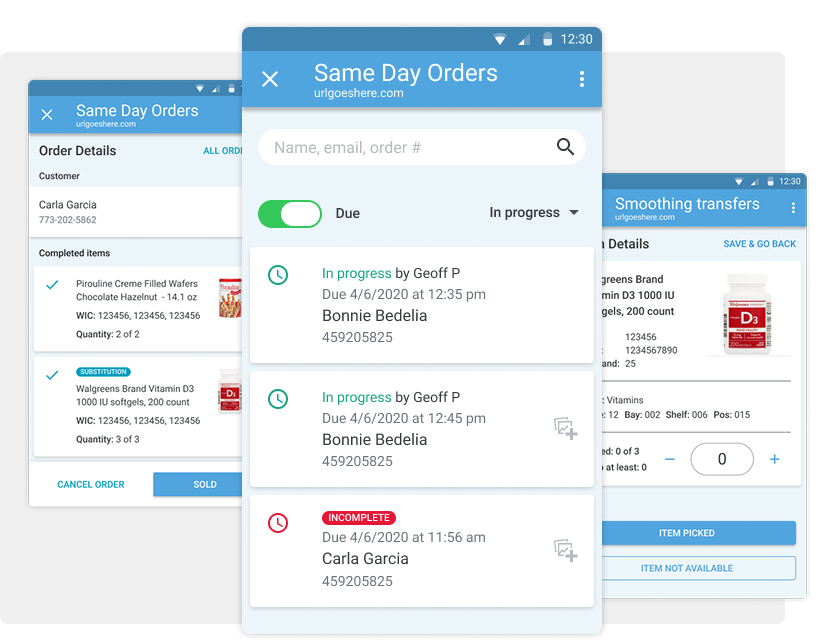
A detailed mockup and functional specifications showing the smart photo material order list.
We extended the design system to accommodate the new AI driven workflow (credit goes to JJ Liwanag from my team, who built the original design system).